Why training your existing staff often beats replacing them
training-before-you-replace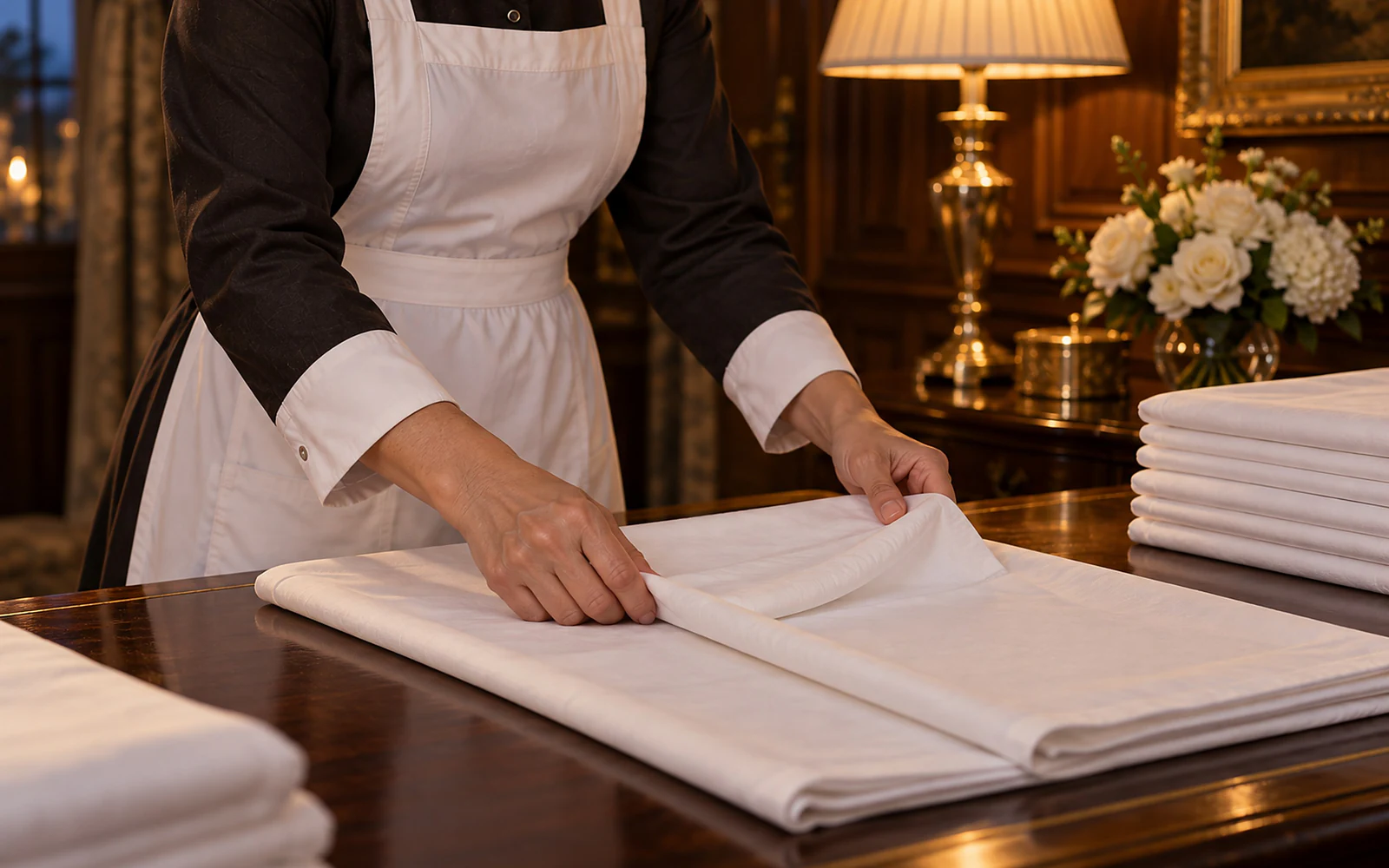
A capable but under-trained housekeeper is usually a better investment than a fresh search. A look at when re-training is the right call.
When a member of household staff is falling short, the instinct is often to begin again: new search, new interviews, new person in the house. Sometimes that is right. But in many households the better answer is quieter, faster and considerably less disruptive: keep the person who already knows your home, and raise their standard.
What you already have is hard to replace.
A housekeeper who has been with a family for three years carries knowledge no candidate can offer. She knows which rooms the principal uses and when, how the wardrobe is organised and what the house looks like when it is ready. A new hire, however capable, starts from nothing. The routines, preferences and small unspoken rules of a household take months to learn, and a family pays for that learning period in friction.
Replacement also carries risks that rarely appear on a CV: the settling-in period, the effect on other staff, and the simple discomfort of a stranger in private rooms. Where the existing person is trustworthy and willing, those risks are avoidable.
Capability is trainable. Character is not.
The useful question is not whether someone’s work is currently good enough. It is whether the shortfall is one of standards or one of character. Discretion, honesty and care cannot be taught, and where they are missing, a replacement search is the right call. But finishing, service technique, wardrobe care, table setting, household systems: these are skills, and skills can be built. A capable, willing member of staff who has never been shown the standard is not a failure. She is an investment waiting to be made.
What structured training looks like.
Training in this context does not mean a written note of instructions or a difficult conversation. It means a structured programme, delivered where the work happens: in your home, on your equipment, to your standards. Each of our programmes runs across a set number of days, works through the disciplines of the role, and closes with an assessment carried out where the work is actually done.
Certification matters here, and not for the certificate’s sake. An assessed standard gives the household something objective: a shared definition of what good looks like, and a way of knowing it is being held. Staff tend to value it too. Being trained is a mark of a household that takes its people seriously, and people who feel invested in tend to stay.
When to train, and when to search.
Our honest advice usually follows a simple line. Train when the person is trusted, willing and settled, and the gap is skill. Search when trust has broken, when the willingness is not there, or when the role itself has outgrown the person in it. Often the answer is both: place one senior hire, and train the team around them so the whole household rises together.
It is the difference between filling a vacancy and quietly raising the standard of the whole house. If you are weighing one against the other, tell us about the household and we will give you our view.


